
Woman touching cheek in pain

Emergency Dentistry

Helping You Handle Dental Emergencies

Unfortunately, accidents happen. When they do, it is important not to panic. Our experienced and caring team at Stewart Dental Group will help you determine the urgency of the problem, what caused it and the immediate actions you should take to best preserve your smile until you can come in for an appointment. Dental emergencies can happen, and we are here to help!

Types Of Emergencies

Dental emergencies vary in severity and complexity. The first step is determining whether or not you are truly experiencing an emergency, or if you should make a regular appointment. If you are unsure, call our office at 704-376-2404. We most commonly see the following dental emergencies:

  • A chipped or fractured tooth

  • Tooth abscess

  • Dental infection

  • Knocked out a permanent tooth

  • Severe toothache

  • Broken or lost dental restoration

Steps To Take In A
Dental Emergency

At Stewart Dental, we understand the seriousness of something happening to your smile. In the case of an accident, we recommend that patients follow these steps as calmly and carefully as possible:

Determine what and where the problem is. Is anything chipped or broken? Are you experiencing any discomfort? If so, note your pain level so that you can report it to our team.

If our office has closed for the day or if it is the weekend, leave a detailed message and we will get back to you as soon as we can. Our team will provide instructions on how to alleviate the issue until your appointment. We will make every effort to schedule your emergency care as quickly as possible.

If you are experiencing pain and swelling, use a cold compress and over-the-counter medication. If you knock out a tooth, soak it in either a cup of milk or your own saliva, which will help preserve it as much as possible. If your restoration breaks, keep the broken pieces in a safe place to take to your appointment.

Treatment For
Dental Trauma

The majority of cracked and broken teeth are the result of an accident due to a fall, sports injury or even a car accident. After an accident, we do everything we can to restore and repair your smile. Common treatment includes:

Oftentimes our dentist can reattach the piece of tooth using a cap or a tooth-colored filling. In certain cases, the tooth cannot be repaired and will need to be extracted.

If possible, get to our office as quickly as you can. The less time a tooth spends outside of the mouth, the better the chance we can reattach it. Often a tooth cannot be reattached and our dentist must focus instead on preserving the root and its surrounding parts, which can be seriously damaged. Our dentists will examine the mouth to determine if a root canal is needed.

Root fractures vary in severity, depending on the location of the fracture. Treatment options include a splint, root canal or extraction.

What Not To Do In A
Dental Emergency

Dentists are the only medical professionals capable of fixing dental emergencies. Measures taken by non-dental professionals, though well-meaning, may only cause further injury to the tooth. Additionally, patients should avoid at-home or DIY treatments for dental emergencies at all costs. That being said, if you lose consciousness or feel dizzy after experiencing trauma to the face, first visit your local emergency room before making an appointment with our team.
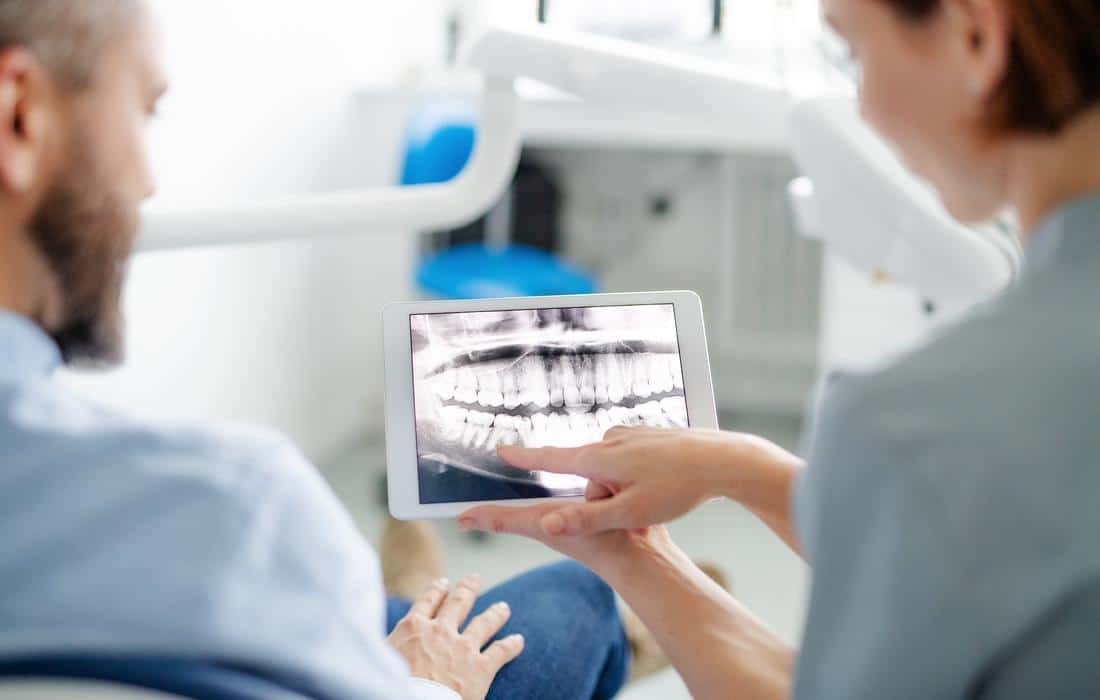

Emergency dentistry | dental emergencies

Dental Emergencies FAQs

Call our office as soon as we next open. In the meantime, assess the situation and do what you can until you can come in and see us. Follow our tips above for temporary solutions to common dental emergencies.

We understand how uncomfortable a dental emergency can be. When you call our office with a problem, we will get you an appointment as soon as possible.

If you have experienced serious trauma such as jaw dislocations, severe cuts to the mouth and face or an abscess or infection that affects your ability to breathe or swallow, you should go to the emergency room.

There could be an infection, nerve damage or other issues related to the procedure that require attention. Visit our office so that Dr. Stewart can assess and treat your condition.

Keep a dental emergency kit as part of your at-home first aid supplies. Stock it with gauze, over-the-counter pain medication and a small, sealable container that could hold knocked-out teeth.