
Bleeding Gums
If you find that your gums are bleeding easily, it could be because of a variety of reasons. Some of those reasons are listed below:
- Gingivitis is inflammation of the gums. This can also be caused by pregnancy.
- Brushing too hard.
- Just started a flossing routine. It will take your gums time to get used to the routine, and your gums may bleed at first.
- Have dentures that don’t fit well.
- Faulty dental restorations.
- Take certain medication. Blood thinners are often the medication most likely to cause bleeding gums.
What Could Bleeding Gums Mean?
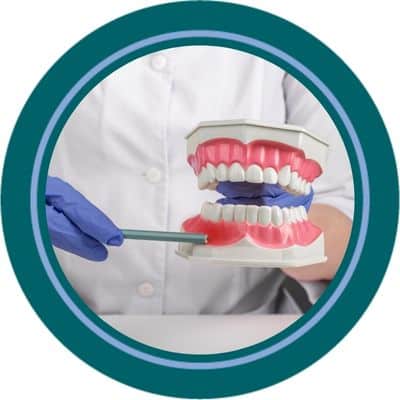
Bleeding gums can be a sign of various different diseases. If they aren’t caused by anything listed above, then they could be an indicator of the following:
- Periodontitis: Also known as periodontal disease, it is a long-term condition that happens when gingivitis isn’t taken care of. It can damage the tissue and bone that supports your teeth and can lead to your gums bleeding easily.
- Diabetes: When you are suffering from type 1 or type 2 diabetes, your mouth isn’t as powerful for fighting germs and can raise your risk of getting gum disease, leading to bleeding or swollen gums.
- Thrombocytopenia: If your gums don’t stop bleeding on their own, that could signify that you’re suffering from thrombocytopenia, which may leave your body without enough platelets to form a blood clot. Please note that this condition will affect more than just your gums. It will affect other parts of your body as well.
- Lack of Vitamins: Vitamin C helps your tissue repair and bones strengthen, while vitamin K helps your blood clot properly. Lacking either of these vitamins can lead to bleeding gums, while a severe lack of vitamin C may lead to scurvy.
- Leukemia: A type of cancer. Leukemia lowers your platelet count and makes it harder for your blood to clot. This makes bleeding harder to stop in your body.
When to see a Dentist
If you practice good dental habits, but your gums continue to bleed regularly while brushing or flossing for a few weeks, then you should make an appointment with your dentist to see if there’s a greater underlying problem. If the bleeding in your gums takes a long time to stop or is extremely frequent, then you should contact a dentist as soon as possible. If there are enough signs of periodontal disease, your dentist may refer you to a periodontist. You can also choose to see a periodontist on your own if you believe you are suffering from periodontal disease, as a referral is not required to see one.
Concerned? Come see our team at Stewart Dental Group in Charlotte, NC.